
top of page
Daffodils Child Development Center Hyderabad

Why Role of Parents is Key to Early Childhood Development

  • Jun 27
  • 5 min read

Your child's brain grows faster in the first five years than at any other point in life. Not in school. At home. With you.


Most parents know this somewhere in the back of their mind. But knowing and doing are two different things. And honestly, the gap between them is where most parents struggle.


What should I actually be doing? Is what I am doing enough?


This article walks you through that. You will find out what is happening inside your child's brain right now, why your everyday actions carry more weight than you think, and what you can do starting today.


No credentials required. Just a willingness to show up consistently for your child.  

Why the Early Years Matter 


The majority of people believe that development happens on a slow scale. Something that unfolds slowly over years. But the fact is it's happening to your kid now, in fact, it is the most crucial time of your child's life already. And it moves fast.


The Science Behind Brain Development


During childhood my brain creates a lot of new connections. In fact it makes 1 million new neural connections every second! Every second. It's not an exaggeration. It is based on decades of neuroscience research, and endorsed by institutions such as Harvard's Center on the Developing Child.


Your child's response to crying, verbal interactions with him and what happens at home all play a role in your child's cognitive development and laying the groundwork for future learning. The cognitive development of a child does not start in the schools. 


That finding comes from Harvard's Center on the Developing Child, one of the most cited institutions in early childhood development research.


The Window of Opportunity


The brain is most receptive to learning from birth to age five. Language development in early childhood, motor skills, social and emotional development, and emotional regulation are all being shaped during this critical period.


This is what parents are not told, however. This window will not open forever.


It is not a dead end if a child misses some important child development milestones during this time. Children are resilient. It's more difficult and takes more time and more professional assistance to catch up later than to get it correct early. This is a point which is repeated in early childhood development research. Early action does not equal anxiety. It is being smart.


The Role of Parents in Shaping Child Development


Teachers matter. A parent is the only person who molds a child the way that they do. You are not just feeding and clothing them. You are creating a person, a common moment at a time.


Emotional Bonding and Secure Attachment


Research that was published in 2025 in Frontiers in Psychology found that the parenting style is very important for the children's development. When children are raised in a supportive environment they often do a lot better. They usually have emotional regulation and they are also more confident. Secure attachment also helps them have relationships.


Language Stimulation at Home


Talk during meals. Read before bed. Describe everyday experiences. Simple conversations throughout the day can have a lasting impact on language development in early childhood. OECD studies have confirmed that parents' interactions with children last long term effects that extend well into adolescence. An app can't take the place of that.


Modeling Behavior and Values


Your child is always taking in what you do.

If you're cool and calm in a crisis, they notice! When you say sorry when you make a mistake, they learn. It has been established that warm, structured parenting is associated with positive outcomes across the board, whereas strict and permissive parenting are not.


Practical Ways Parents Support Early Childhood Development


The majority of the things that work are done at home. In small moments. Repeated daily. Don't worry about buying expensive programs, or having a busy school year, to help support your child's learning.


Play-Based Learning and Early Learning Activities at Home


Place the flashcards on the ground. Give the child some blocks.


Creativity grows as a result of unstructured play and cooperation grows as a result of guided play. All types of early learning activities are conducive to healthy child growth and development. These are far more important to parents than they might think.


Children's passive screen time is a focus of change for experts in 2026. Children are given a free choice of resources like clay, blocks and art and are encouraged to think for themselves. Screens rarely encourage that kind of thinking.


Establishing Routines and Structure


Kids do not need a lot of things to do. They need something they can count on every day. It is nice to know what is going to happen because that helps kids feel better when kids are nervous.


Kids feel safe when kids know what to expect and that helps kids try things and think of ideas, about things. Kids become more independent when they have routines for sleeping and eating and playing.


A home with routines is a home that does not stop kids from doing things, it just helps them know what to do.


Mindful Screen Time Management


Much screen time when kids are young has been linked to delay in language development according to the OECD in 2025. It is very hard not to notice. 

Not all screens are the problem. Passive watching is. Being next to your child and talking together about what you observe makes all the difference!


When to Seek Professional Support


The majority of kids are okay. Some need extra help. Getting help early really makes a difference for these kids.


Most children do not have a concern. However some kids do require assistance. It is this help that makes all the difference, for them.


You should look out for problems that do not go away over time such as when children do not talk, do not look at people who do not want to be with others or do not do things that other children their age can do. Also watch for times when children get very upset or angry for no reason. Those are to be considered seriously.


Early intervention works. Early intervention can bring children up to speed much more effectively.


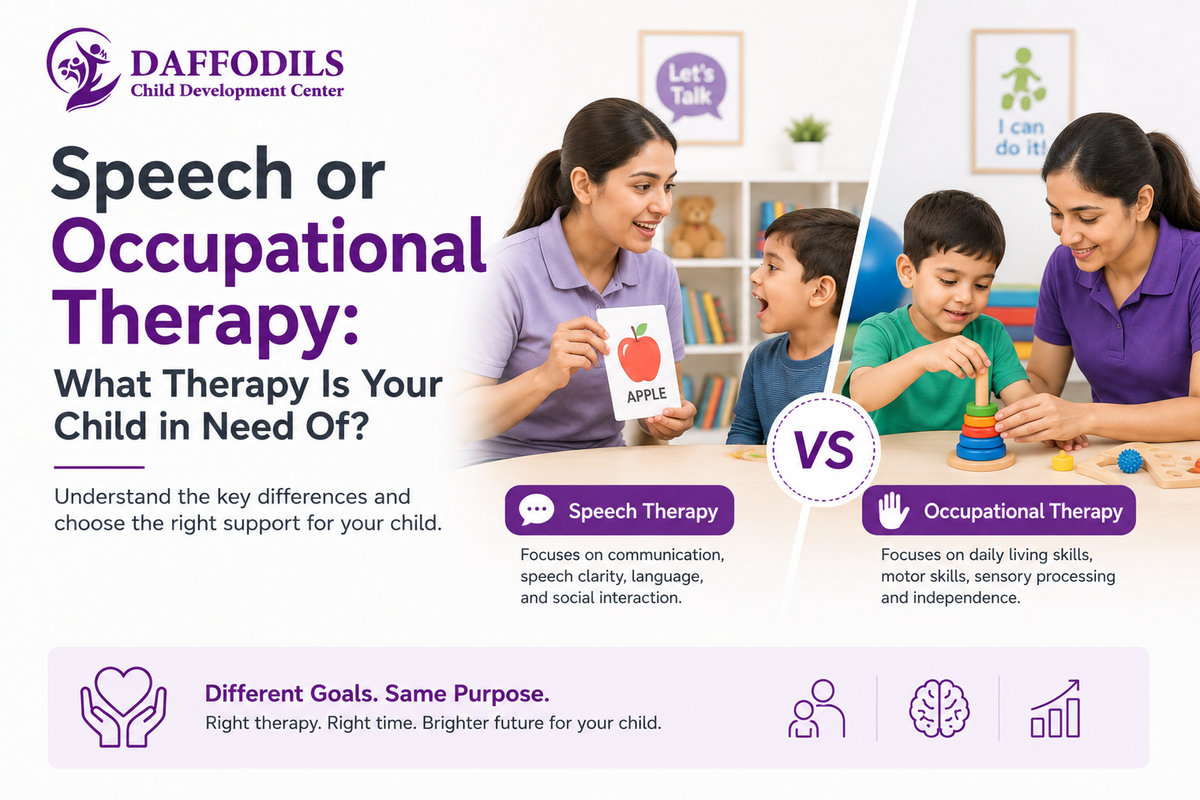
There are people who can help children, like speech therapists, developmental pediatricians and occupational therapists and they work at special centers. Families who notice ongoing developmental concerns may benefit from consulting a Child Development Center In Hyderabad for a comprehensive evaluation and personalized support plan tailored to their child’s needs. 


Conclusion


You are already doing more than you think. There is no such thing as doing too well in early childhood development. It demands your attention. Consistency. Focus on everyday details.

The dinner conversations. The bedtime routine. How you deal with a difficult situation. It all affects your child.


Found this helpful? Pass on to your parent who needs it or leave a comment question.


bottom of page